
Origins
Where it's grown.
Every Roastmane coffee starts on a farm in the coffee belt, the band of highlands between the Tropics where coffee grows best. Here's where each one comes from, and what that place puts in your cup.

Swipe to see the whole map →
How to read an origin
Four things shape the cup.
Place matters in coffee the way it does in wine. These are the four details we look at, and what each one does to the flavor.
Altitude
Higher farms mean cooler nights and slower ripening. The beans grow denser, and the cup gets brighter and more complex.
Process
Washed coffee has its fruit removed before drying: clean and bright. Natural coffee dries inside the whole cherry: fruitier, sweeter, heavier.
Variety
Like grapes, coffee plants come in varieties. Ethiopia grows thousands of native heirloom types; Latin America grows Bourbon, Caturra, Castillo and their relatives.
Roast
Light roasts keep an origin's fruit and acidity. Darker roasts trade them for chocolate, caramel and body.

Single origin · Colombia
Huila & Cauca
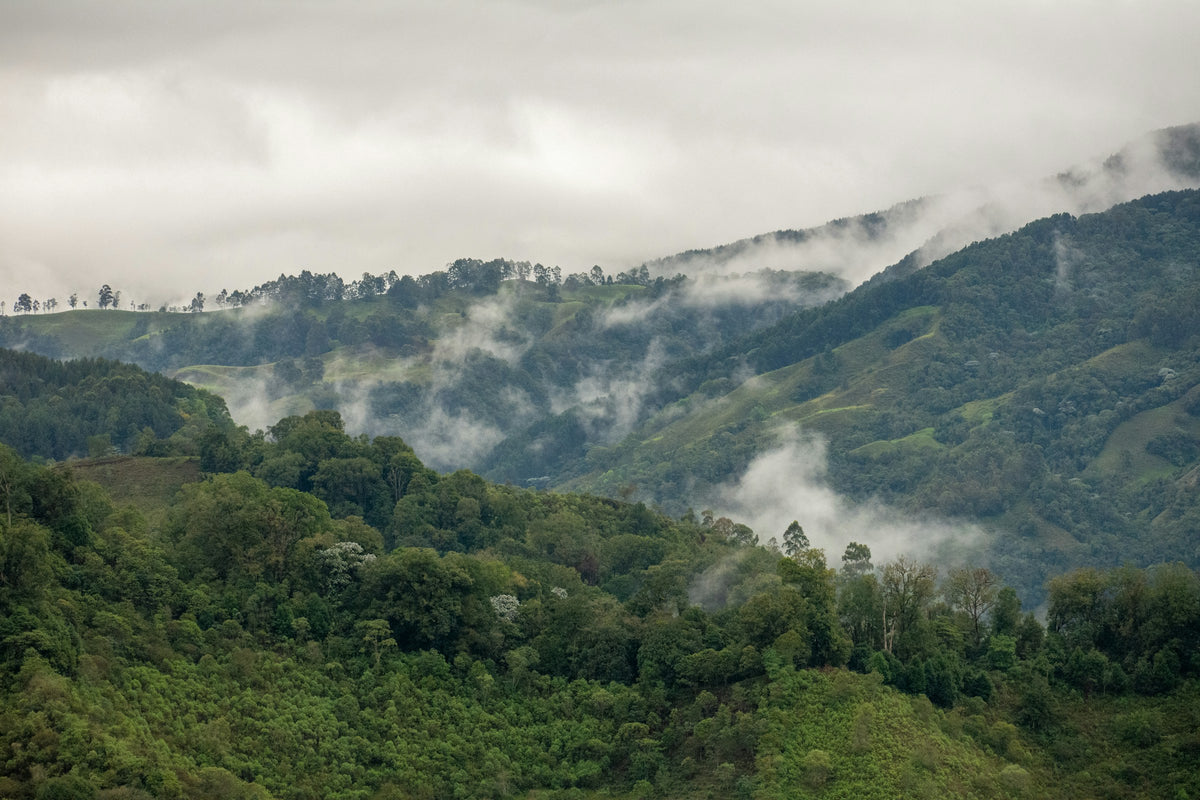
In Colombia's south, the Andes split into three ranges, and Huila and Cauca sit high among them. Most coffee here grows on small family farms on steep slopes, is picked by hand, and is washed: the fruit comes off and the beans dry in the sun.
Huila is the country's most celebrated specialty region. It grows coffee from about 1,000 to 2,200 meters and harvests twice a year: a main crop from late summer into winter and a smaller "mitaca" crop in spring.
- Region
- Huila & Cauca, southern Colombia
- Altitude
- About 1,000–2,200 m
- Harvest
- Main crop Aug–Dec, mitaca Mar–Jun
- Typical process
- Washed
- Our roast
- Light-medium
Also in Pride Blend and Savanna.
Shop Colombia · $24.99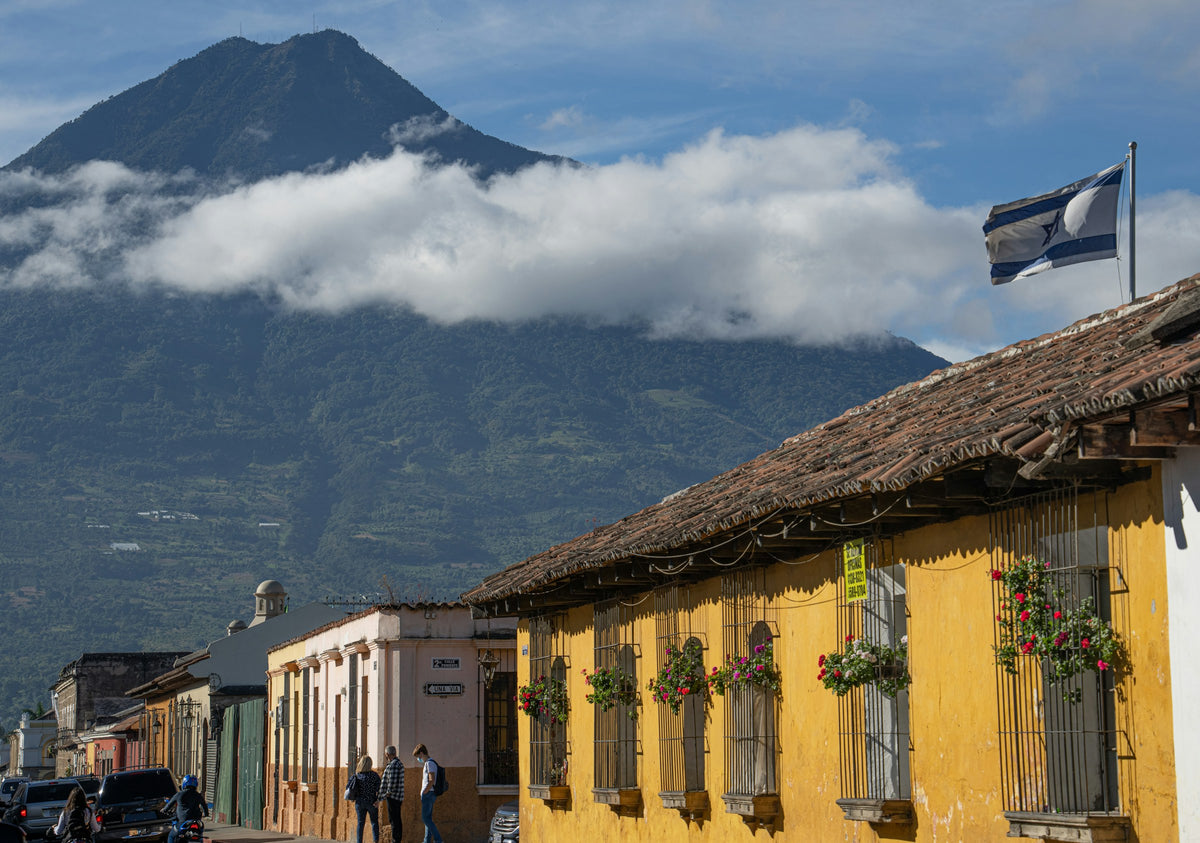
Single origin · Guatemala
Huehuetenango & Antigua
Two very different highlands. Antigua is a valley ringed by three volcanoes, Agua, Fuego and Acatenango, with rich volcanic soil, sunny days and cool nights.
Huehuetenango, up near the Mexican border, is Guatemala's highest and driest coffee region. Warm, dry winds off Mexico's Tehuantepec plain keep frost away, so coffee grows as high as about 2,000 meters. Most Guatemalan coffee is washed and dried on sunny patios.
- Region
- Huehuetenango & Antigua
- Altitude
- Up to about 2,000 m
- Harvest
- Roughly December to March
- Typical process
- Washed, patio-dried
- Our roast
- Light-medium
Also in Pride Blend, Savanna, Sunrise and Alpha.
Shop Guatemala · $24.99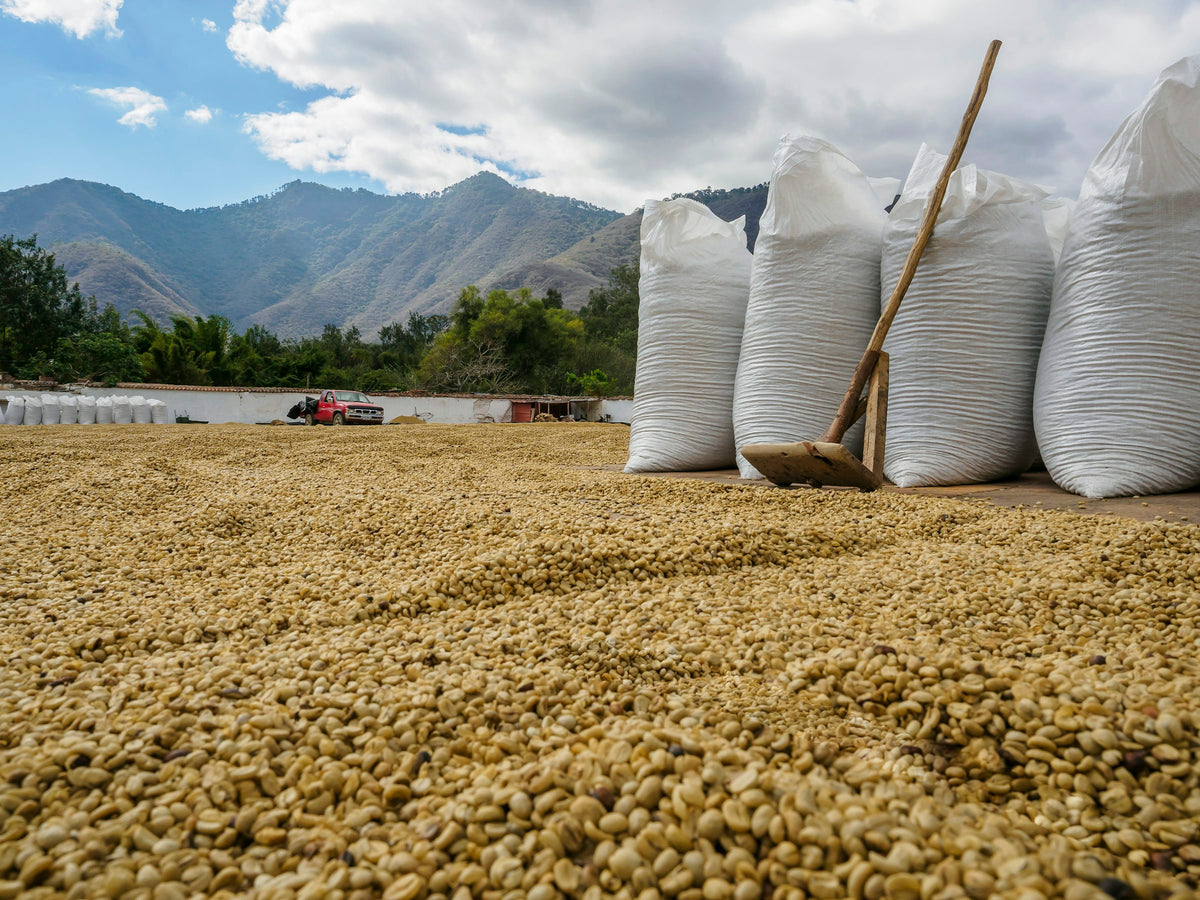

Single origin · Brazil
Cerrado
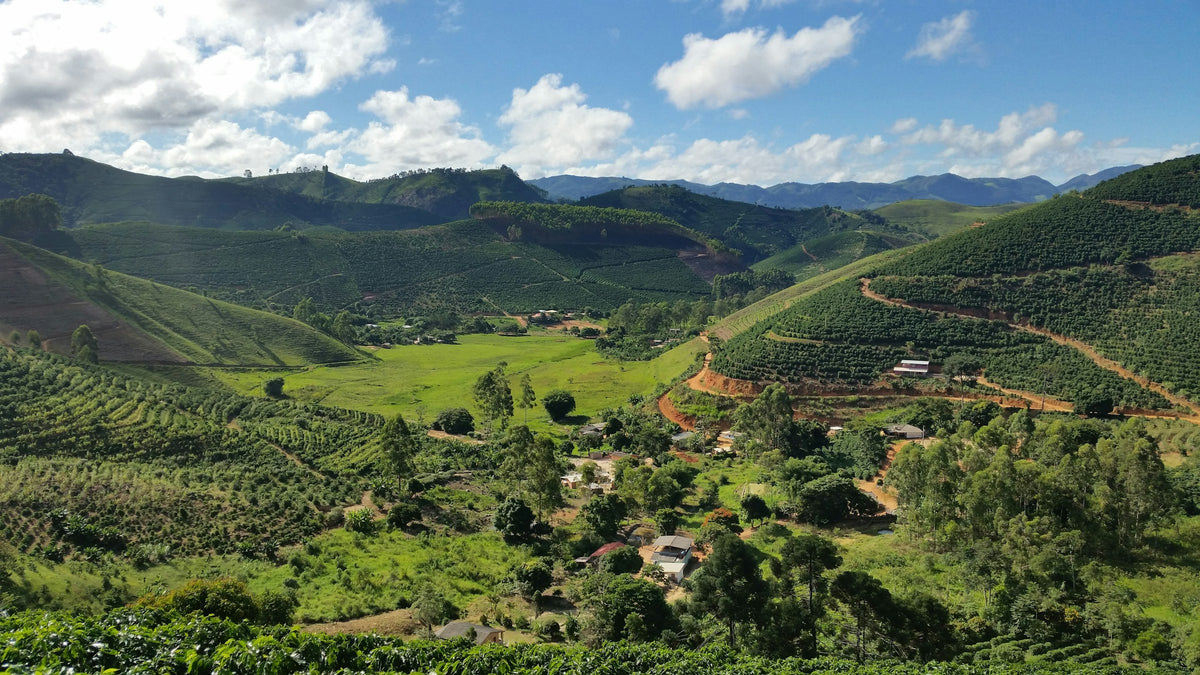
Brazil grows more coffee than any other country, and the Cerrado shows why. The region is a high, open savanna plateau in Minas Gerais, around 800 to 1,300 meters, with a clear wet season and a long dry one.
Those dry months make it natural-coffee country: most farms dry the whole cherry in the sun, which builds sweetness and body. That's the classic Brazil cup, nutty, chocolatey and low in acidity, and it's why Brazil anchors most of our blends.
- Region
- Cerrado, Minas Gerais
- Altitude
- About 800–1,300 m
- Harvest
- Dry season, roughly May to September
- Typical process
- Natural
- Our roast
- Medium
Brazil is also in Pride Blend, Golden Mane, Savanna, Night Prowl, Alpha, King's Roar, First Light, Sunrise and Mushroom Coffee.
Shop Brazil · $24.99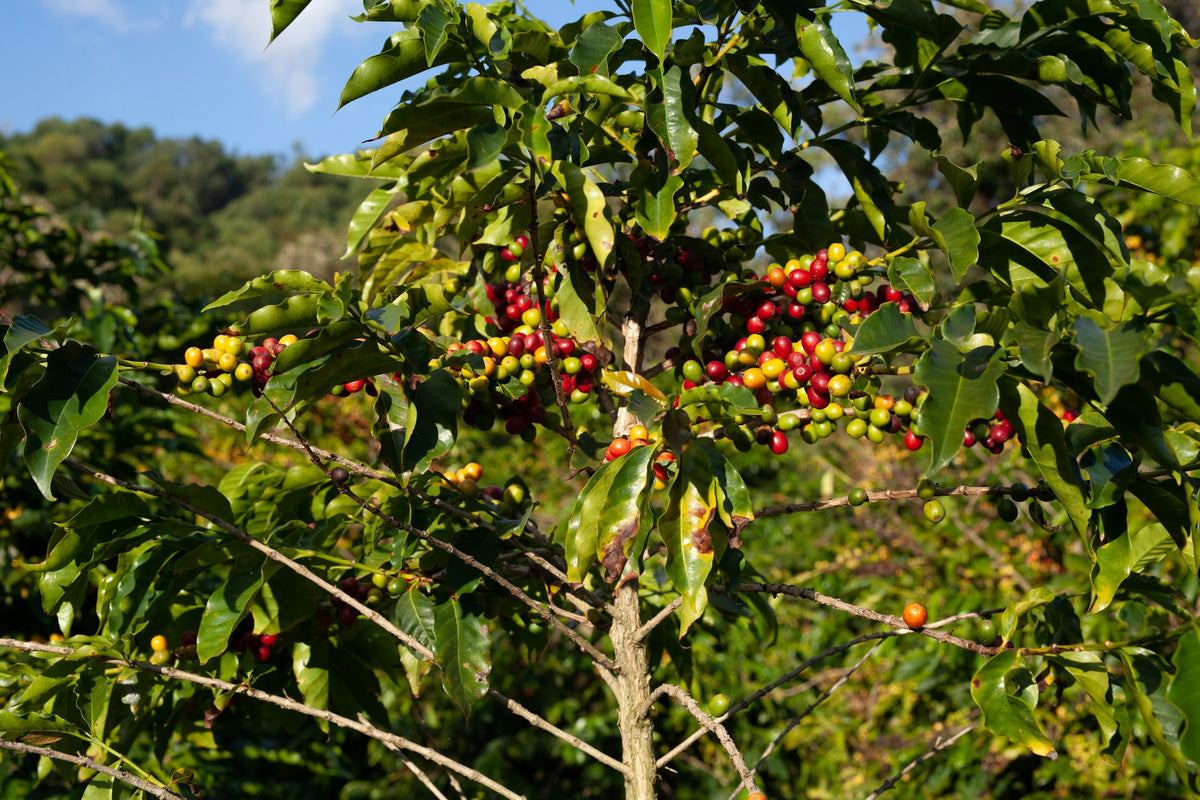
Single origin · Ethiopia
Sidama
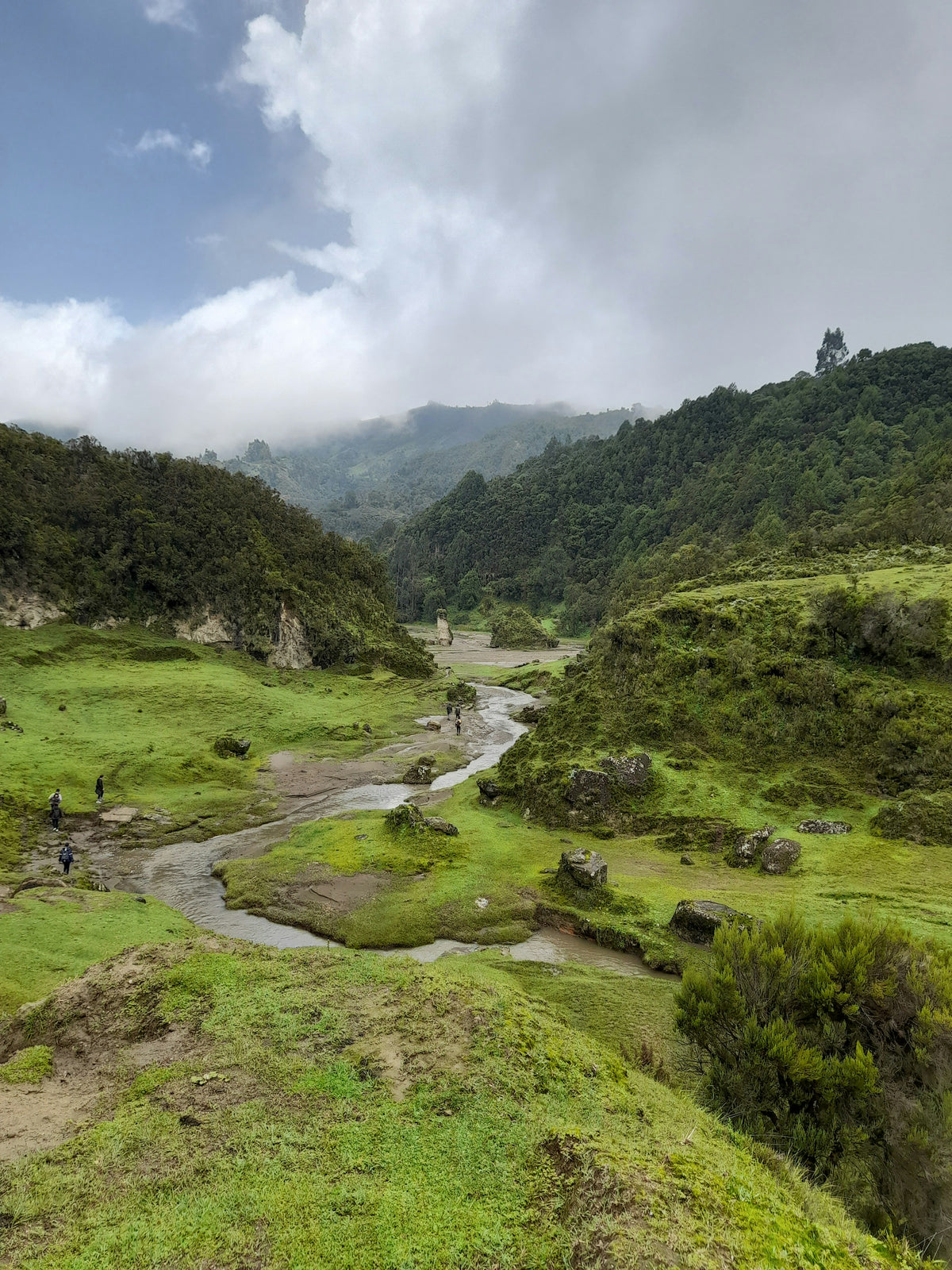
Coffee's story starts here. Arabica coffee first grew wild in Ethiopia's forests, and farmers still grow thousands of native heirloom varieties, mostly in small garden plots around their homes.
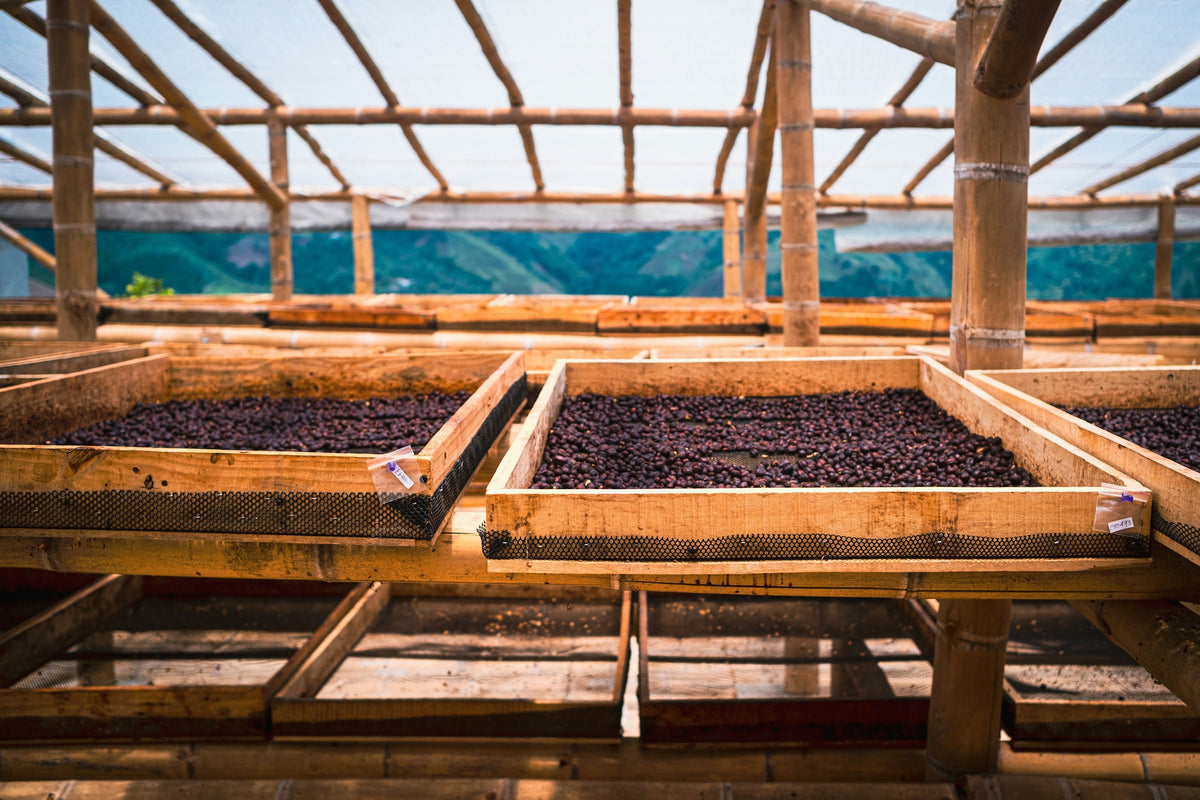
Sidama, in the southern highlands, is one of Ethiopia's best-known regions. Ours is a natural: the whole cherries dry in the sun, usually on raised beds, for a few weeks before the fruit comes off. That's where the blueberry comes from.
- Region
- Sidama, southern Ethiopia
- Altitude
- About 1,500–2,200 m
- Harvest
- Roughly October to January
- Process
- Natural
- Our roast
- Light-medium
Ethiopia is also in Pride Blend, First Light and Sunrise.
Shop Ethiopia · $24.99
The rest of the map
Blends, decaf, instant and matcha.
Our blends lean on the four origins above, plus Mexico. Three more places round out the lineup.
The blender's friend
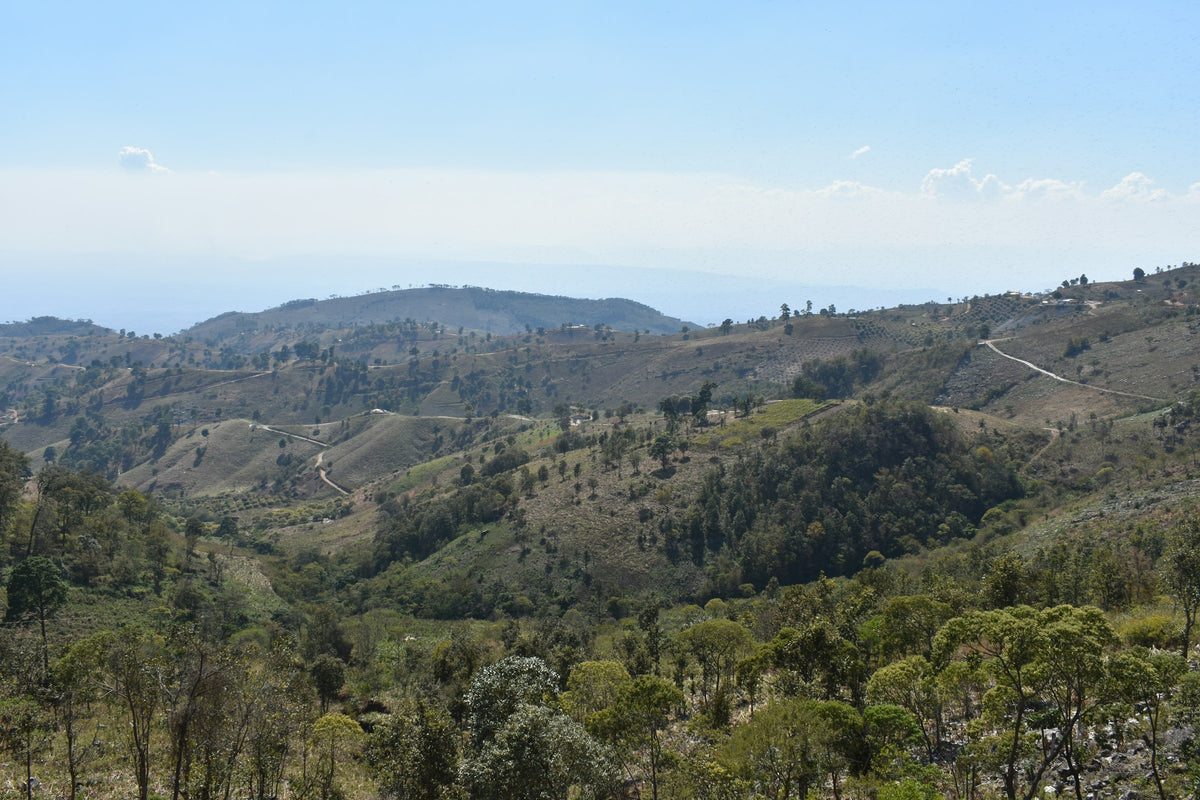
Mexico's biggest coffee state is Chiapas, in the mountains along the Guatemalan border. Mexican beans bring soft sweetness, cocoa and gentle acidity to Golden Mane, Night Prowl, Alpha, First Light and Mushroom Coffee.
Chiapas, Mexico. Photo: Osni Shelby / Unsplash
Sleeping Lion Decaf
Mandheling coffee from Sumatra, famous for an earthy, herbal, full-bodied cup with low acidity. It's decaffeinated with the Swiss Water Process, which uses water instead of chemical solvents and leaves it 99.9% caffeine-free.
Shop decafInstant & matcha
Both instant coffees start with single-origin Papua New Guinea coffee: smooth, sweet and syrupy. Our ceremonial matcha comes from Japan: shade-grown green tea leaves, stone-ground into a fine powder.
Shop instant & matchaEvery coffee, every origin
What's in the box.
No mystery blends. Here's exactly where every Roastmane coffee comes from. Pods use the same coffees as the boxes: First Light, Golden Mane and Alpha.
| Coffee | Roast | Origins | In the cup |
|---|---|---|---|
| Pride Blend | Medium | Brazil · Colombia · Guatemala · Ethiopia | Toffee, dark chocolate, citrus |
| Golden Mane | Medium | Brazil · Mexico | Chocolate-covered almond, maple, citrus |
| Savanna | Medium | Brazil · Colombia · Guatemala | Praline, smooth, medium body |
| Night Prowl | Medium-dark | Brazil · Mexico | Cocoa, toasted nut, full body |
| Alpha | Dark | Brazil · Mexico · Guatemala | Baker's chocolate, caramelized sugar |
| King's Roar | Dark | Brazil | Bittersweet chocolate, toasty |
| First Light | Light | Ethiopia · Mexico · Brazil | Fresh fruit, citrus, light body |
| Sunrise | Light | Ethiopia · Guatemala · Brazil | Blackberry, caramel, plum, black tea |
| Sleeping Lion Decaf | Medium | Sumatra, Indonesia | Earthy, herbal, dark chocolate |
| Mushroom Coffee | Medium | Brazil · Mexico, with lion's mane & chaga | Dark chocolate, nougat |
| Instant Coffee | Instant | Papua New Guinea | Toffee, nutty, sweet |
| Instant Mushroom Coffee | Instant | Papua New Guinea, with lion's mane & chaga | Smooth, nutty, medium body |
| Ceremonial Matcha | Matcha | Japan | Sweet, earthy, smooth |
Pumpkin Spice, our fall seasonal, is a flavored coffee: pumpkin spice, maple and a nutty sweetness.
From cherry to cup
How it gets to you.
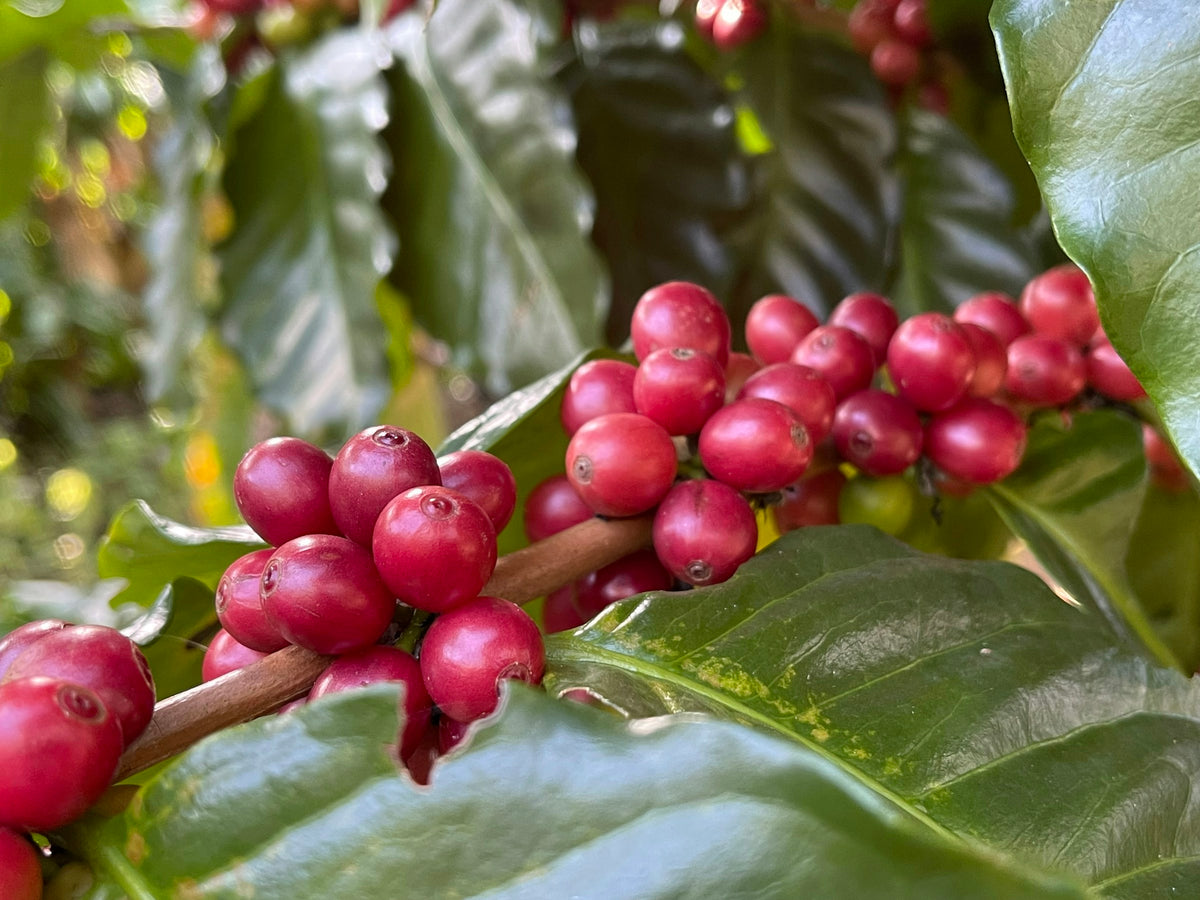
Picked ripe
Coffee is the seed of a fruit. Cherries ripen unevenly, so the best coffee is picked by hand, a few ripe ones at a time, over several passes.
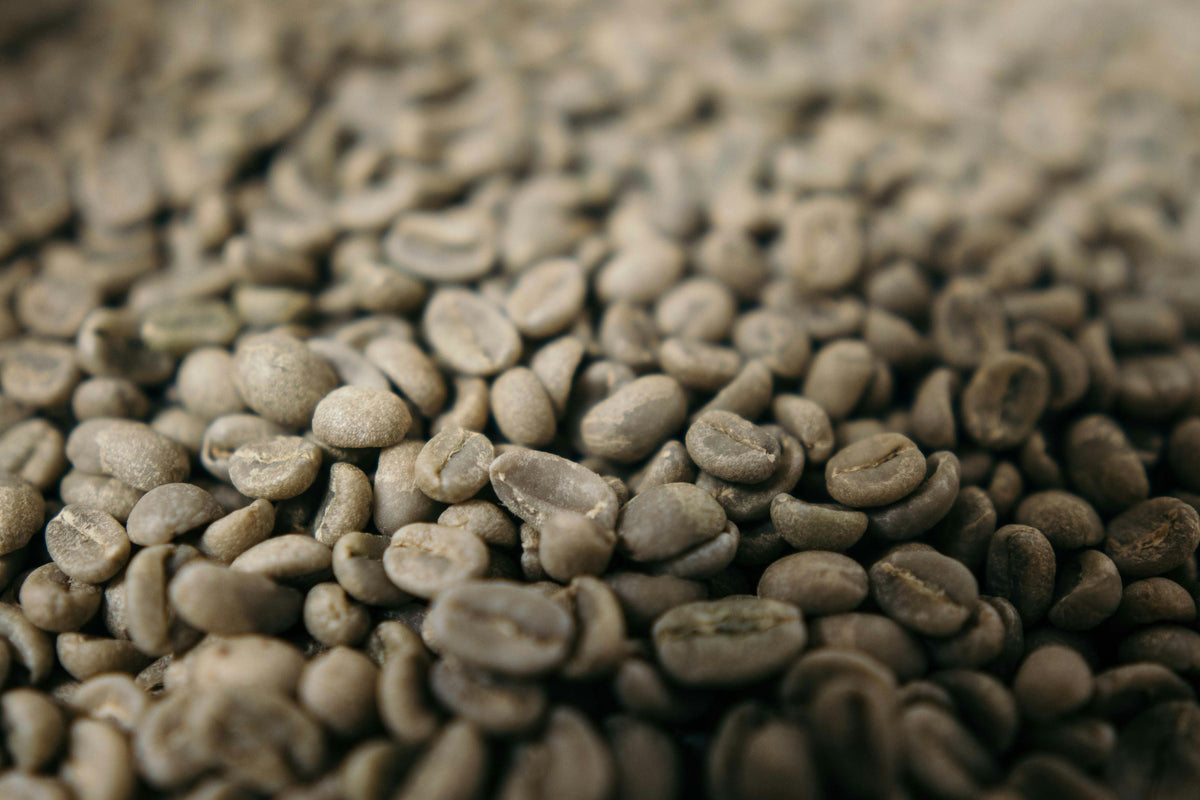
Washed or natural
The fruit is washed off or dried around the seed. The green beans then rest, get sorted by size and quality, and travel in sacks to the roaster.
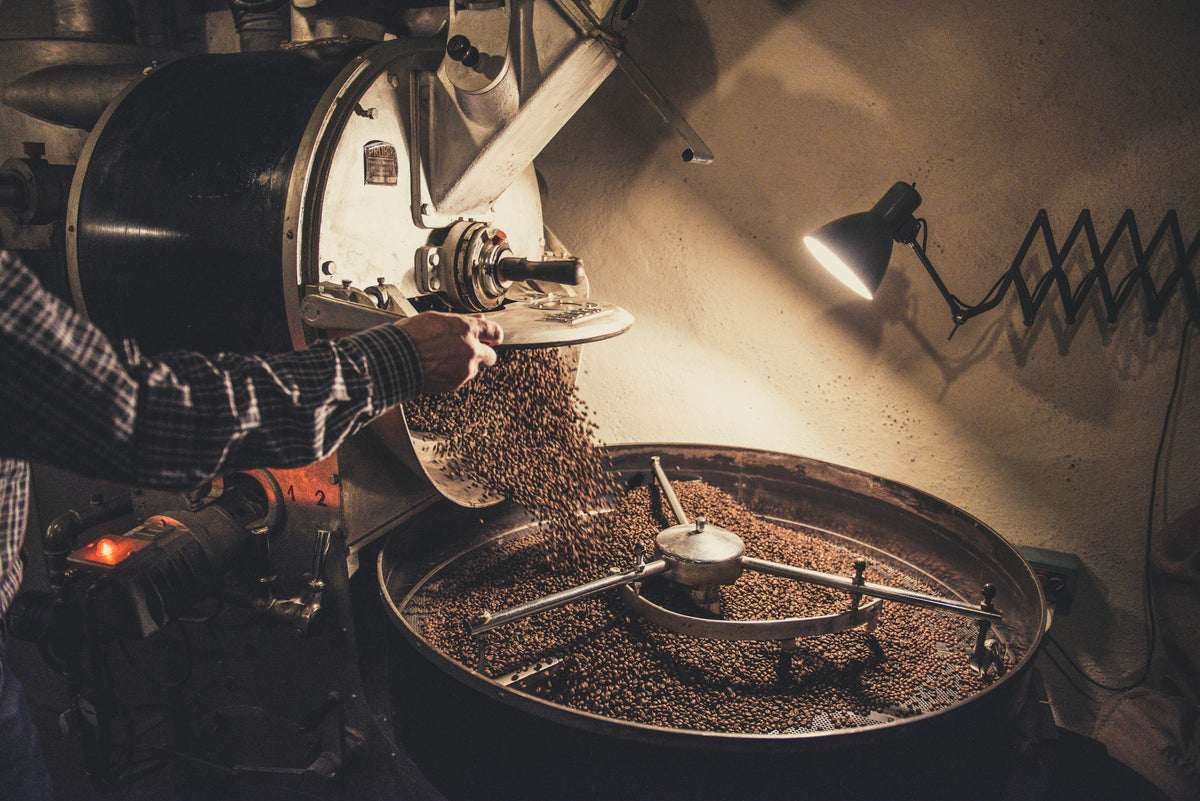
After you order
Your coffee is roasted in small batches on drum roasters in Bend, Oregon, after you check out. Every batch follows a set profile and is cupped to check it tastes right.
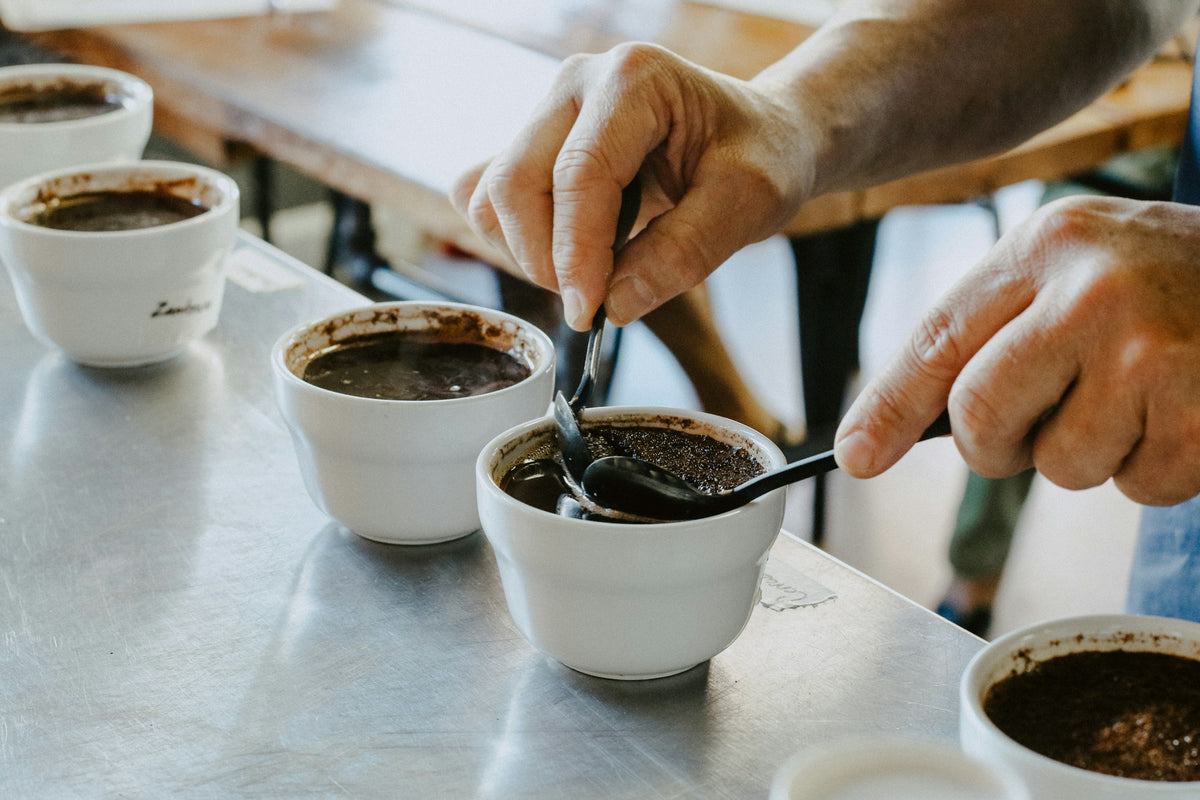
Out in 2 days
It's packed and ships within 2 business days, free anywhere in the US. Most orders arrive about 3 to 4 business days after that.
About these photos: they show the regions and the craft of coffee, not the specific farms our beans come from. Region details describe each area in general; roast levels and tasting notes are for our coffees.
Taste the places.
Start with a single origin, or let a blend do the traveling for you. Free US shipping on every order.
Shop single origins Shop all coffeePhoto credits (Unsplash)
- Cocora Valley, Quindío, Colombia: Juan Manuel Núñez Méndez
- Buenavista, Quindío, Colombia: David Restrepo
- Antigua Guatemala: mana5280
- Jocotenango, Guatemala: Alexander Schimmeck
- San Marcos, Guatemala: Gerson Cifuentes
- Ibatiba, Espírito Santo, Brazil: Dhan Sugui
- São Sebastião da Grama, São Paulo, Brazil: Projeto Café Gato-Mourisco
- Manizales, Caldas, Colombia: Dimitry B
- Wonchi, Ethiopia: Teddy K
- Ethiopian coffee ceremony: Zeynep S.
- Chiapas, Mexico: Osni Shelby
- Cherries: Elle inlom
- Green: Battlecreek Coffee Roasters
- Roasting: Yanapi Senaud
- Cupping: René Porter